
Brainstorming encourages divergent thinking, where participants generate a wide range of ideas.
The term 'brainstorming' was coined by Alex Osborn in the 1940s.
By inviting diverse perspectives, brainstorming can lead to unique and groundbreaking concepts.
Choose a comfortable and well-lit space that promotes creativity and focus.
Prepare necessary materials such as whiteboards, sticky notes, and markers.
Set clear goals or objectives for the brainstorming session to guide participants.
Include individuals with diverse backgrounds, skill sets, and perspectives.
Keep the group size manageable to ensure everyone's voice is heard.
Invite participants who are open-minded, receptive to new ideas, and willing to collaborate.
Set ground rules and encourage an open and judgment-free environment.
Start with an icebreaker or warm-up activity to get participants comfortable.
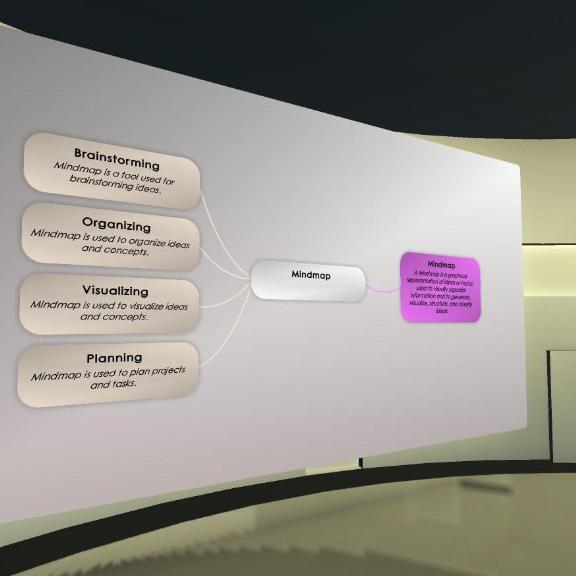
Use brainstorming techniques such as mind mapping, free association, or role play to stimulate idea generation.
Give everyone equal opportunity to share their ideas and opinions.
Encourage wild or unconventional ideas, as they can often lead to breakthrough solutions.
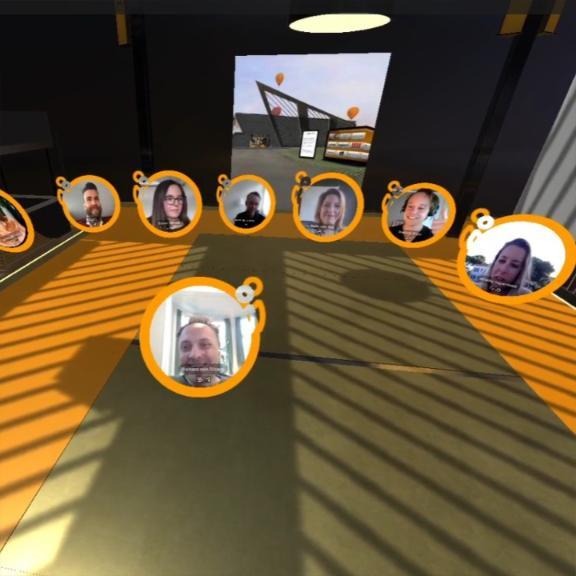
Use collaborative tools or platforms to facilitate virtual brainstorming sessions and ensure remote team members can contribute.
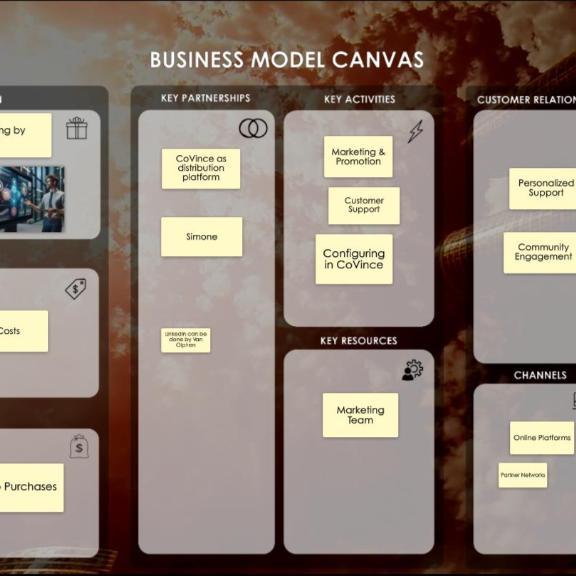
Use visual tools like whiteboards, flip charts, or digital mind mapping software to record ideas.
Assign a note-taker to jot down key points and insights during the session.
Encourage participants to build upon or combine ideas to create new concepts.
Review and categorize the ideas generated, identifying those with the most potential.
Share the outcomes of the brainstorming session with all participants and seek their feedback.
Develop an action plan to implement selected ideas and track their progress.