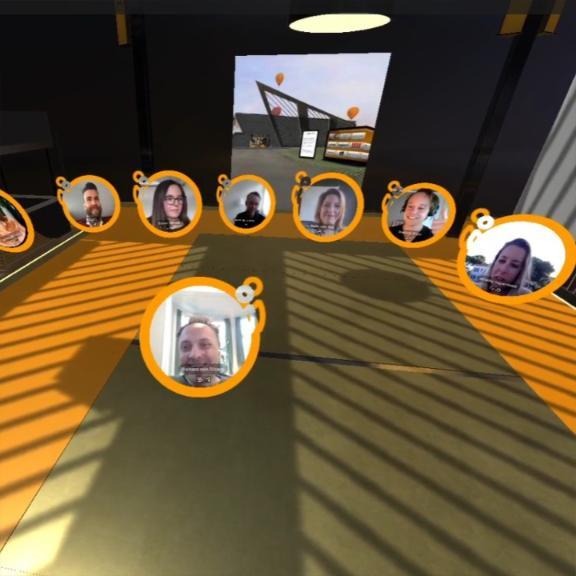

Virtual hackathons allow participants from around the world to collaborate remotely, eliminating geographical restrictions
The global virtual hackathon market is projected to reach $166.83 million by 2027
Companies and organizations often use virtual hackathons to foster innovation and discover new talents
A well-planned virtual hackathon can attract a diverse range of participants
Clear goals and themes help attract participants with relevant skills and interests
Sponsors can provide financial support, prizes, and additional resources for the hackathon
Effective communication helps teams collaborate smoothly across different time zones
Regular check-ins allow organizers to address issues and provide timely assistance
A centralized platform for questions and support helps create a sense of community among participants
Digital tools facilitate real-time collaboration, ensuring seamless communication
Version control systems enable efficient code sharing and collaboration
Virtual whiteboard tools allow participants to brainstorm ideas visually
Mentorship and support help participants enhance their skills and learn from experts
Attractive prizes motivate participants to give their best and stay engaged
Networking opportunities can lead to future collaborations and career prospects