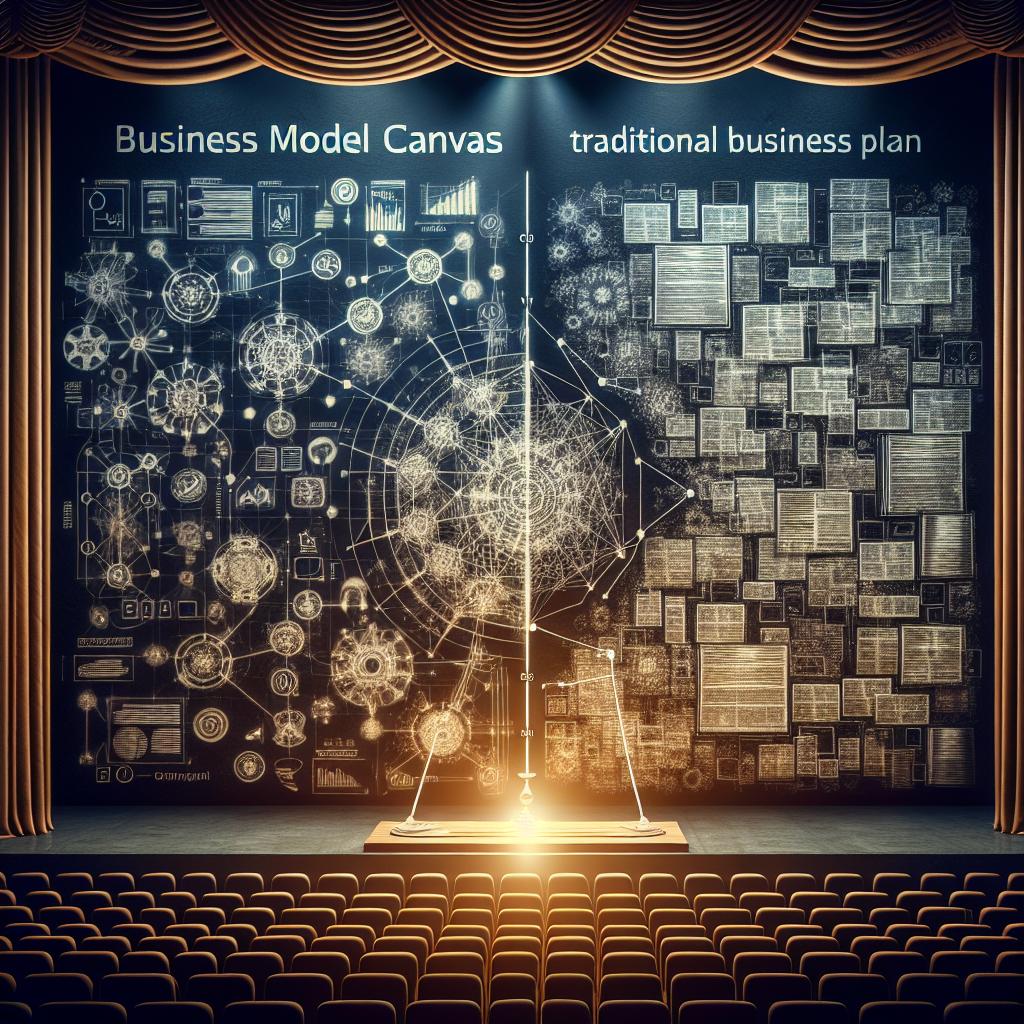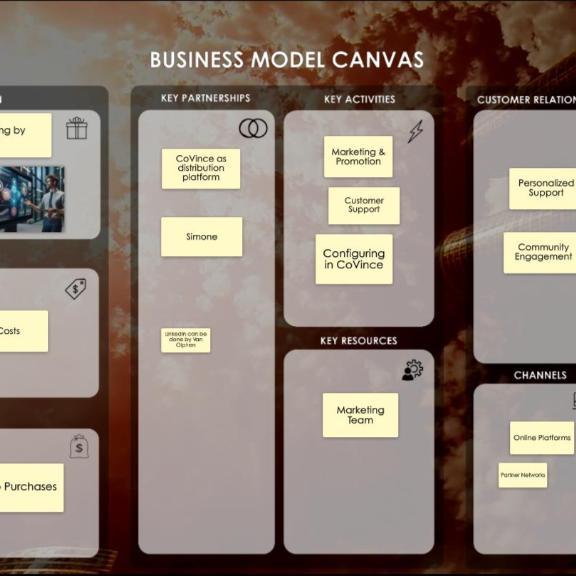

The Business Model Canvas was introduced by Alexander Osterwalder in his book 'Business Model Generation' in 2008.
It has become a popular framework used by startups, established companies, and entrepreneurs worldwide to develop and refine their business models.
The visual nature of the canvas makes it easy to communicate and share strategic insights with stakeholders.
The Business Model Canvas helps companies align their strategies with market needs and customer preferences.
It enables agile decision-making by providing a clear overview of the business model and its components.
Companies that use the canvas are more likely to identify new opportunities for innovation and growth.
The canvas allows for a shared understanding of the business model, reducing misunderstandings and misalignments.
It encourages cross-functional collaboration, enabling teams to work together towards common goals.
Using the canvas, companies can identify and bridge communication gaps between various stakeholders.
Companies can explore different pricing models, product bundling strategies, or partnerships to create additional revenue sources.
By examining customer needs and pain points, organizations can develop innovative solutions and revenue streams that address these challenges.
The canvas prompts companies to think creatively and explore new avenues for monetization.
The canvas helps companies identify areas where they can optimize their resources and activities to maximize value creation.
It enables organizations to prioritize and allocate resources effectively by aligning them with the most critical business components.
Companies that adopt the canvas are more likely to achieve operational excellence and improved performance.
Companies can use the canvas to evaluate the viability of new business ideas and assess their potential impact on the overall business model.
The visual representation of the canvas allows organizations to identify potential risks and uncertainties and develop contingency plans.
By continuously refining and evolving their business model, companies can stay ahead of the competition and seize new market opportunities.