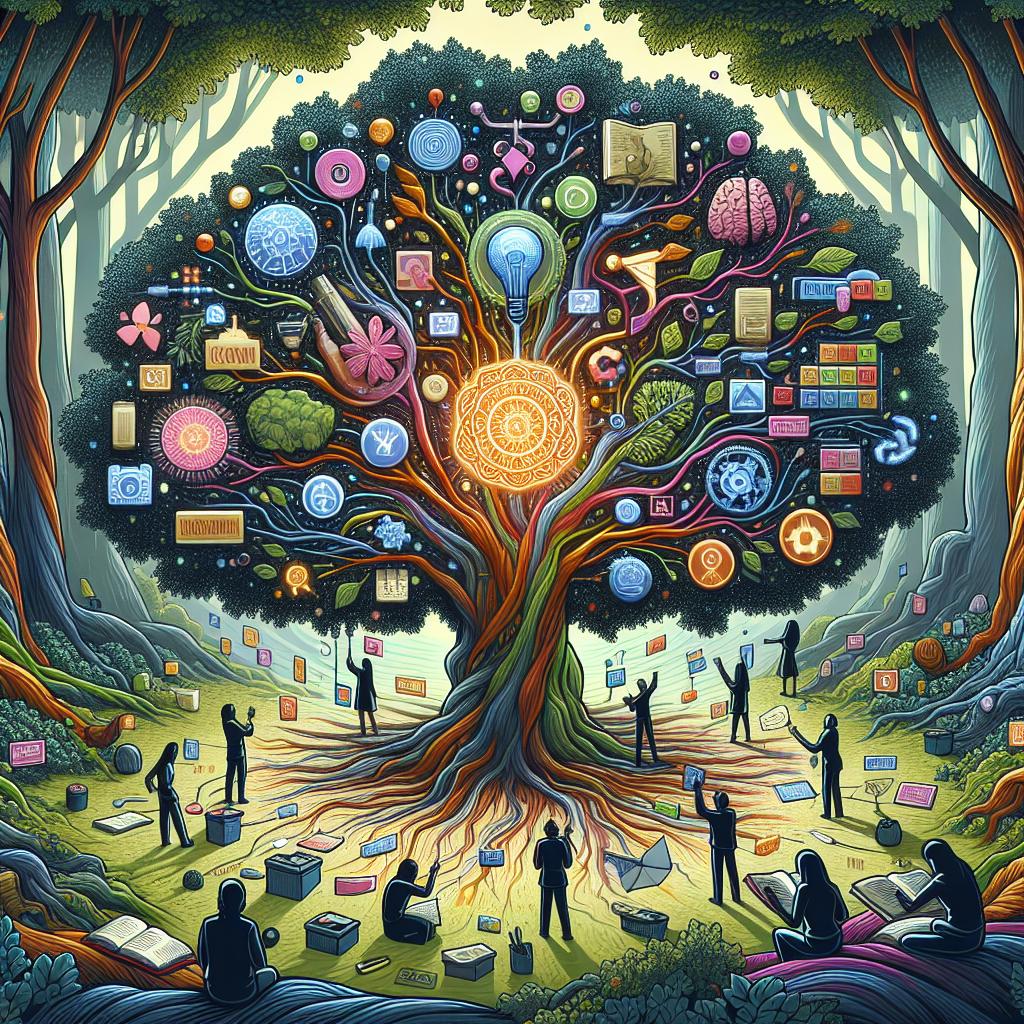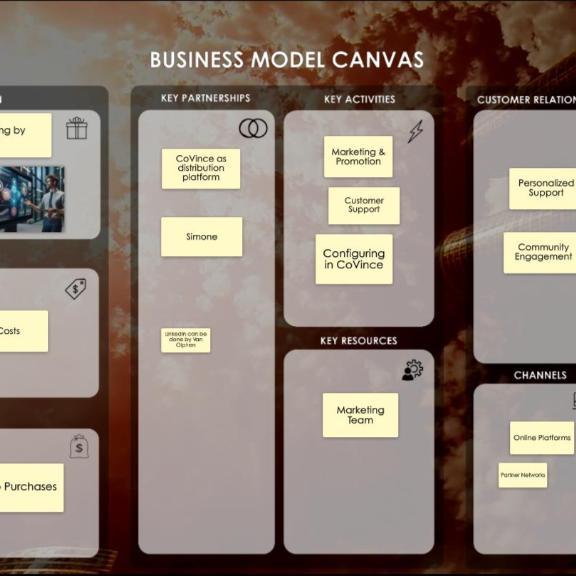

Mind maps are visual representations of thoughts and ideas, usually created around a central theme.
Mind maps engage both the left and right sides of the brain, promoting holistic thinking.
Mind maps are widely used for brainstorming, planning, studying, and organizing information.
By establishing a clear purpose, you can avoid clutter and unnecessary complexity in your mind map.
Knowing your purpose helps create a logical flow and hierarchy of information within the mind map.
Colors evoke emotions and stimulate visual memory, making it easier to recall information.
Visual elements facilitate better comprehension by engaging both the visual and verbal centers of the brain.
Concise mind maps are easier to scan and comprehend, saving time and effort.
Overcomplicating mind maps can lead to confusion and hamper information retrieval.
Organized mind maps enable faster interpretation and identification of relationships between ideas.
Prioritizing information helps emphasize key points and prevents cognitive overload.
Reviewing and revising mind maps aids in memory consolidation and knowledge retention.
Regular updates help adapt the mind map to changing circumstances or new insights.