
Obeya methodology originated in the Japanese automotive industry
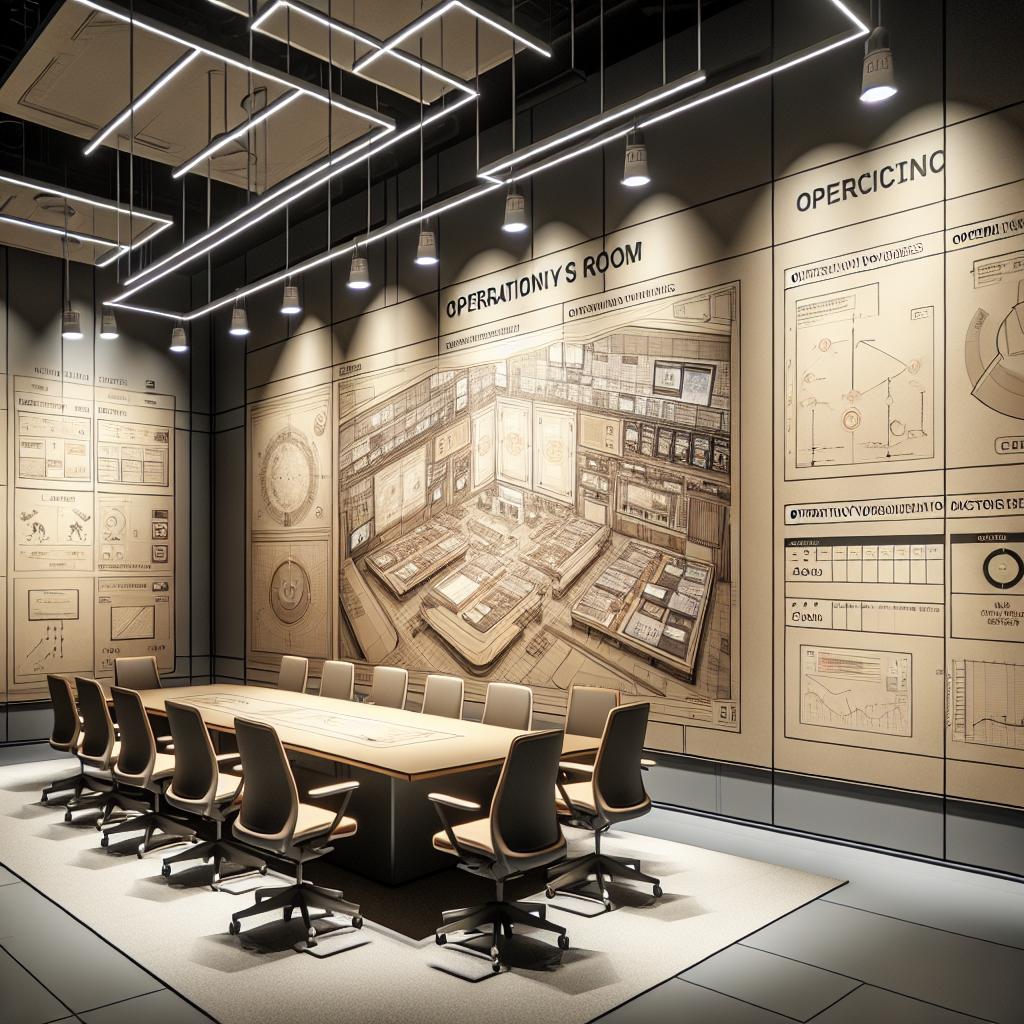
Obeya means 'big room' or 'war room' in Japanese
It promotes collaboration and communication within teams
Silos in project teams hinder collaboration and communication
Breaking down silos improves efficiency, productivity, and innovation
Obeya methodology fosters transparency and shared goals
Collaboration: The Obeya methodology encourages teams to work together, share knowledge, and leverage each other's strengths. It breaks down departmental barriers and promotes a shared responsibility approach.
Communication: With a dedicated physical space and visual management tools, teams can communicate effectively, ensuring everyone is on the same page and fostering open dialogue.
Problem-solving: The Obeya methodology provides a structured approach to problem-solving, allowing teams to identify issues, analyze data, and make informed decisions.
Transparency: By having a centralized hub for project information, progress, and metrics, the Obeya methodology promotes transparency and accountability.
Continuous improvement: The visual nature of Obeya rooms allows teams to monitor progress, identify bottlenecks, and continuously improve processes.
Obeya methodology requires a designated room with visual aids- Regular meetings and collaboration are crucial in Obeya methodology- Continuous improvement is a key aspect of the methodology
Physical space: A designated Obeya room is essential for teams to gather and work together. It typically consists of whiteboards, visual displays, and project updates.
Visual management: The room is adorned with visual aids such as charts, graphs, and progress trackers, making it easier for teams to visualize goals, tasks, and performance.
Regular meetings: Teams hold regular meetings in the Obeya room to discuss progress, address issues, share updates, and collaborate on problem-solving.
Cross-functional teams: The Obeya methodology encourages the participation of cross-functional teams, ensuring diverse perspectives and expertise are brought together.
Continuous improvement cycle: The Obeya methodology follows a cyclic approach, where teams regularly evaluate progress, identify areas for improvement, implement changes, and monitor results.
Obeya methodology originated from Toyota
It is based on Lean management principles
The methodology is focused on continuous improvement and teamwork