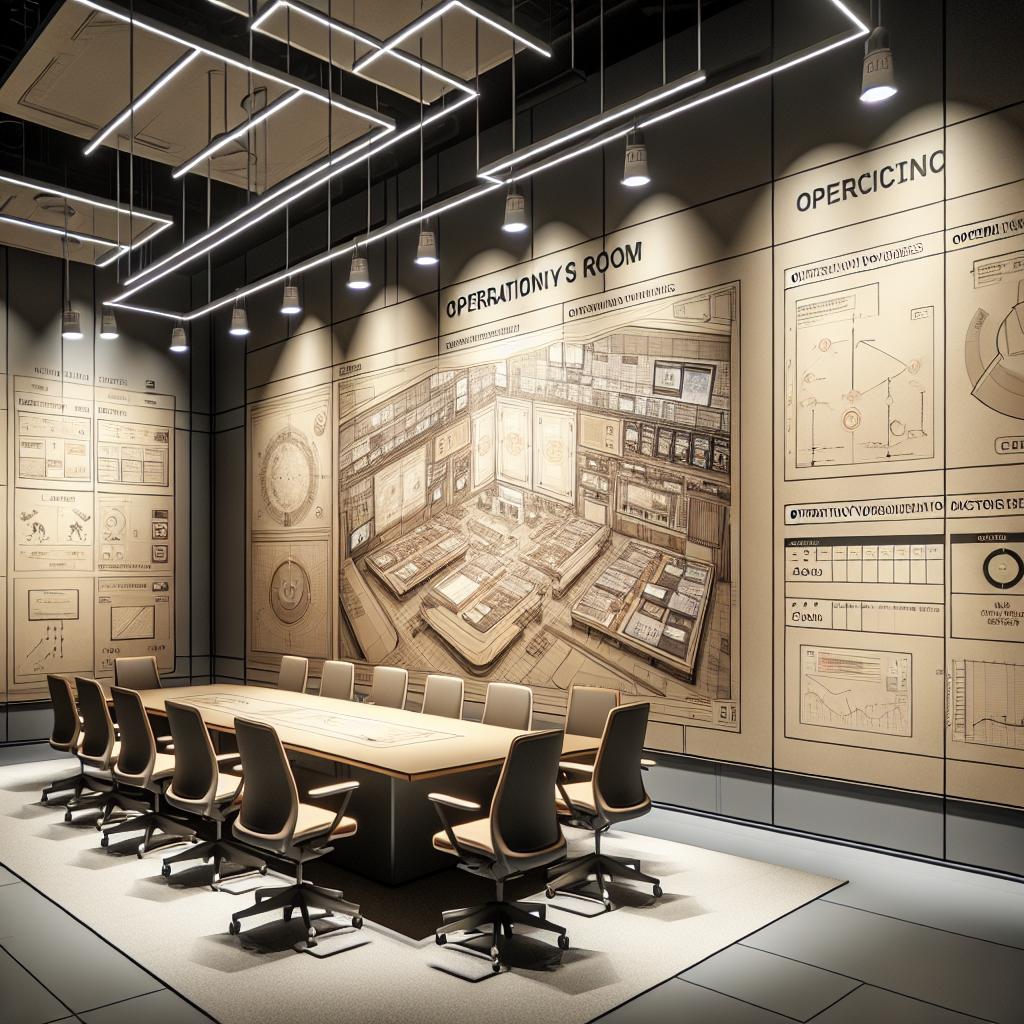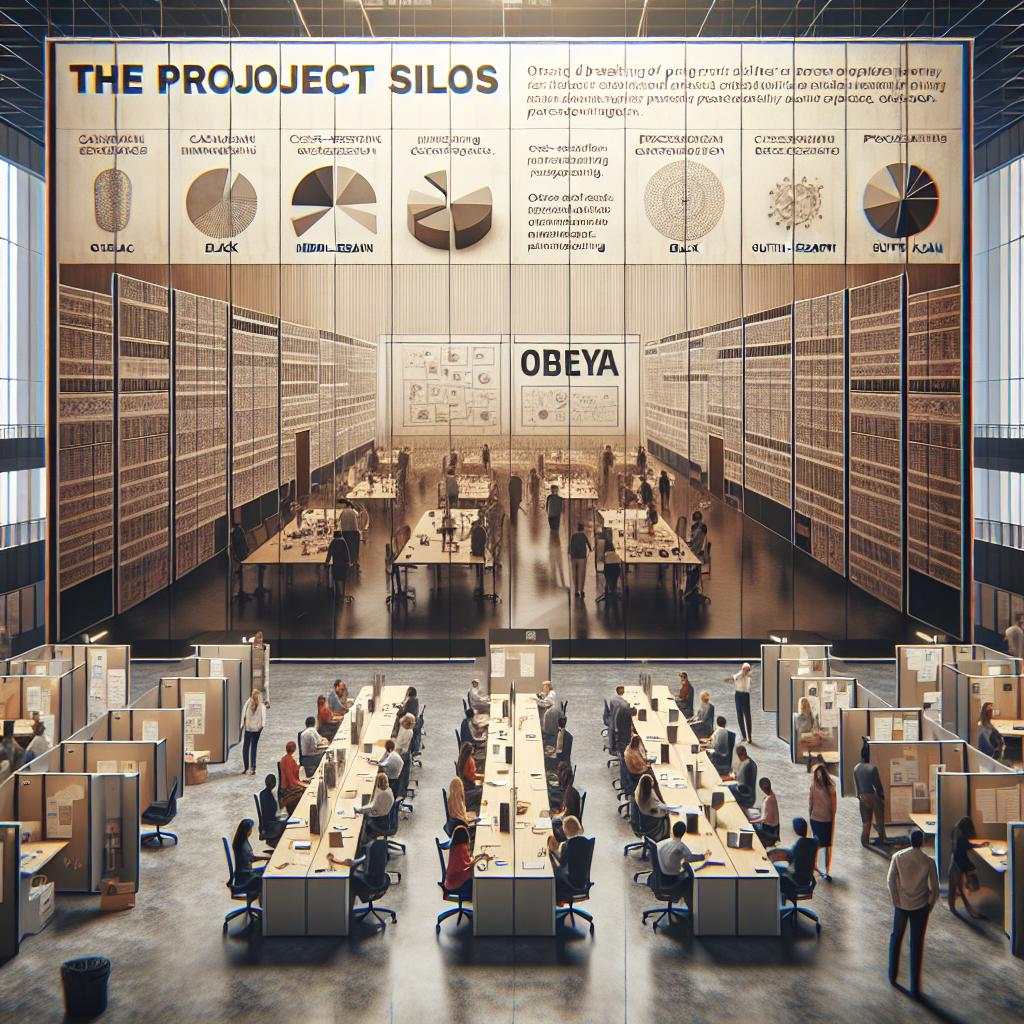

Obeya visualization techniques originated in the Toyota Production System, where the concept of 'Obeya' refers to a big room for decision-making and problem-solving
These techniques have been adopted by various industries and sectors, including manufacturing, healthcare, software development, and project management
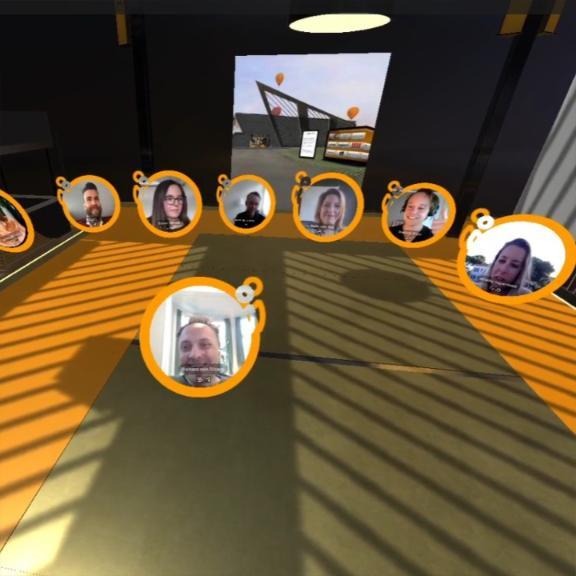
The physical layout of an Obeya room typically includes whiteboards, charts, diagrams, Kanban boards, and other visual aids to facilitate information sharing and collaboration
Enhanced communication: By providing a shared, physical space for teams to gather, Obeya visualization techniques promote open and transparent communication among individuals with different perspectives and expertise
Data-driven decision-making: The visual representation of data and information in an Obeya room allows for better data analysis, leading to more informed decision-making processes
Improved problem-solving: The collaborative and visual nature of these techniques enables teams to identify and understand complex problems more effectively, leading to innovative solutions- Increased engagement and ownership: When team members actively contribute and participate in the problem
solving process through Obeya visualization techniques, they feel a greater sense of ownership and commitment to the outcomes
Define the problem: The first step is to clearly define the problem and identify the desired outcomes
Gather relevant data: Teams collect and analyze relevant data to gain a comprehensive understanding of the problem
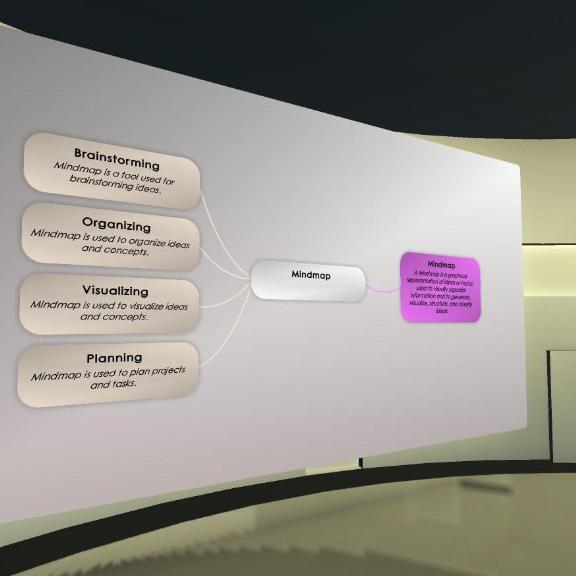
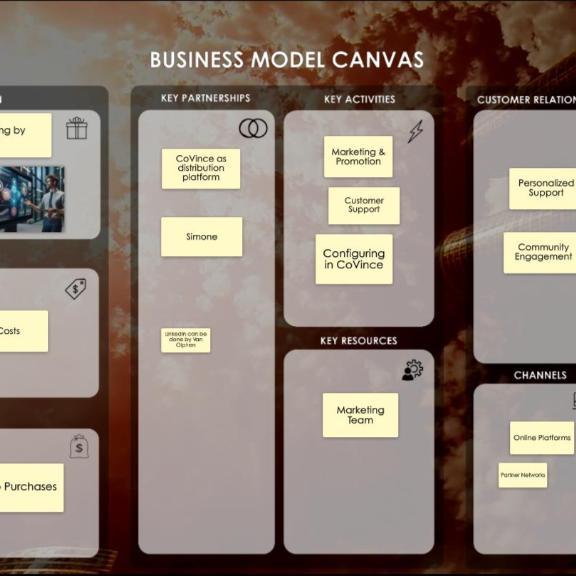
Visualize the problem: Using various visual aids such as diagrams, charts, and Kanban boards, teams represent the problem in a clear and easily understandable manner
Collaboratively brainstorm solutions: Team members engage in collaborative discussions and brainstorming sessions to generate potential solutions
Evaluate and choose a solution: The team evaluates the proposed solutions, considering factors such as feasibility, impact, and alignment with goals, and selects the most suitable one- Implement and monitor: Once a solution is chosen, teams implement it and continuously monitor its progress, making adjustments as necessary
The concept of Obeya visualization techniques evolved from the practice of visual management, which aims to make important information visible and accessible to all team members
These techniques are aligned with Lean management principles and Agile methodologies, focusing on collaborative teamwork, adaptability, and continuous improvement
Obeya visualization techniques have been widely adopted and recognized as effective tools for problem-solving, leading to improved efficiency, quality, and teamwork in various industries